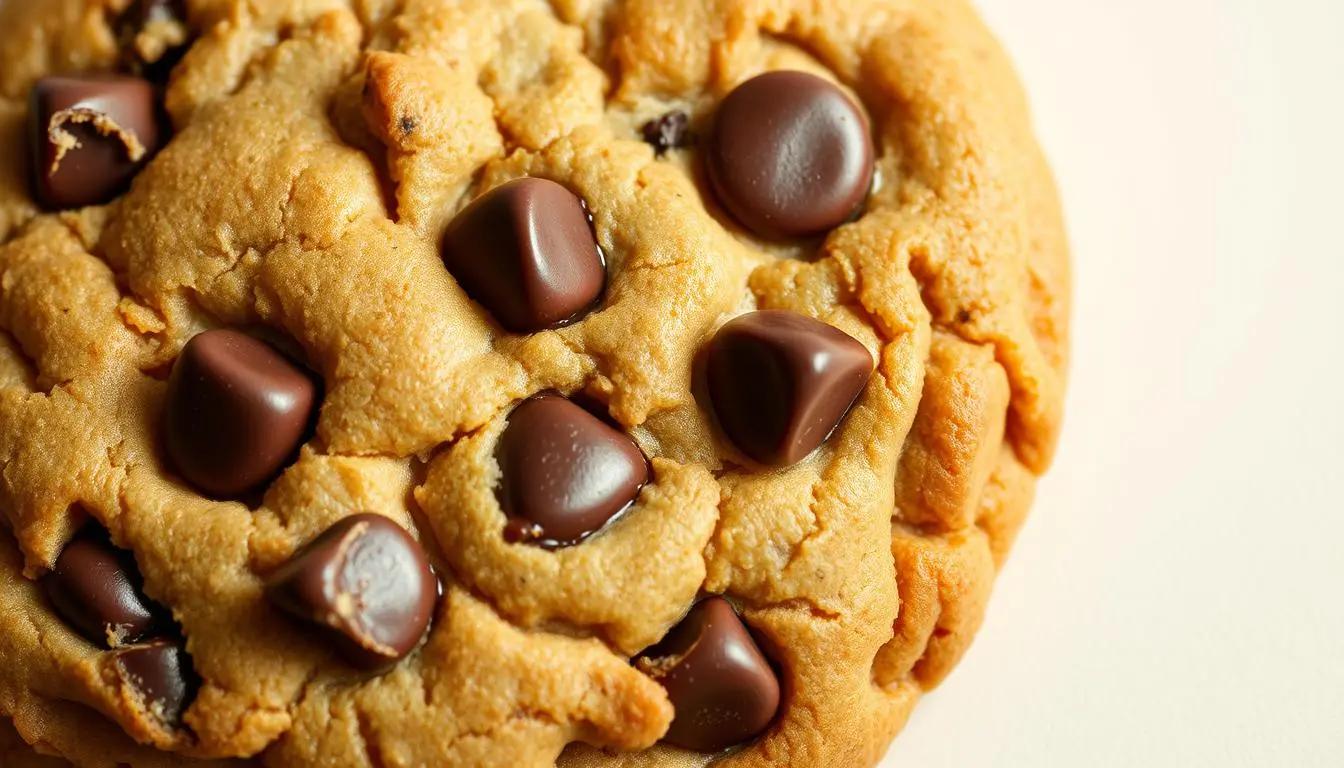
Chocolate chip cookie recipe without brown sugar: 5 easy hacks to try
chocolate chip cookie recipe without brown sugar
Ever found yourself at the pantry, ready to bake, only to discover no brown sugar? This guide is for you. It shows you can still bake delicious cookies without it. Whether it’s a quick fix for a weeknight or a way to use less sugar, you can make tasty no brown sugar chocolate chip cookies.
This article shares five easy ways to make brown sugar-free chocolate chip cookies. You’ll learn how to adjust white sugar and bake time. You’ll also discover how to make a homemade brown sugar substitute and use coconut or light cane sugar. Plus, you’ll find out how to add molasses or maple syrup for extra flavor and choose low-sugar sweeteners.
Are you a home baker looking for a Toll House–style cookie without brown sugar? Or maybe you’re dealing with missing ingredients or want a specific texture? This guide is for you. It’s written for U.S. cooks, focusing on ingredients you can easily find.
Expect to learn about ratios, bake-time changes, and flavor notes. You’ll get a classic white-sugar recipe for easy chocolate chip cookies without brown sugar. There’s also advice on how to keep your cookies chewy, soft, or crisp, even without brown sugar.
Key Takeaways
- You can make great no brown sugar chocolate chip cookies using five practical swaps and tweaks.
- An easy chocolate chip cookie recipe without brown sugar will include clear ratios and bake-time adjustments for texture control.
- Homemade molasses blends, coconut sugar, or light cane sugar provide caramel notes when brown sugar is missing.
- Liquid sweeteners and alternative sweeteners need dry-ingredient or time tweaks to keep dough balanced.
- This guide is U.S.-focused and aimed at home bakers who want reliable, repeatable brown sugar-free chocolate chip cookie recipe results.
Why you might skip brown sugar in cookies
Leaving out brown sugar changes more than just taste. You get cookies that are lighter in color and have crisp edges. This is true when you use white granulated sugar instead.
Texture and flavor differences
Brown sugar adds molasses, which makes cookies moist, chewy, and gives a caramel taste. Without it, cookies will be crisper, less chewy, and have a milder caramel flavor. White sugar makes cookies spread more and brown faster, making them feel thinner.
To get chewiness without brown sugar, you can use fattier ingredients or a bit of molasses or maple syrup. These changes help if you want soft cookies without brown sugar.
Dietary reasons and ingredient availability in the United States
Some people skip brown sugar for dietary reasons like reducing molasses or following low-sugar diets. Others might choose coconut sugar, allulose, or erythritol for taste or allergy reasons. In the U.S., you can easily find white sugar, cane sugar, molasses, and substitutes in most supermarkets.
It’s important to know the difference between “light” and “dark” brown sugar, as well as natural versus refined cane sugar. This helps you choose the right substitute for your needs.
How skipping brown sugar changes baking chemistry
Molasses is acidic and absorbs moisture. Without it, dough holds less moisture, leading to drier cookies. Brown sugar’s acidity also affects gluten and the Maillard reaction, changing browning and flavor.
Sugar works with butter and eggs to trap air and build structure. Using different sweeteners might require adjusting creaming, browning, and oven time. You might need to lower the oven temperature, bake longer, or add more fat or liquid to get the right texture.
Understanding the role of sugars in chocolate chip cookies
Sugar choices affect texture, color, and flavor in baking. This guide explains why cookies without brown sugar are different. It shows how to achieve chewiness and depth.
How different sugars affect spread, chewiness, and color
White sugar makes cookies spread more and have crisper edges. Its crystals help them brown lightly. Cookies made with only white sugar are thinner and crisper.
Brown sugar, on the other hand, adds moisture and chew. Molasses in brown sugar makes cookies chewier. Dark brown sugar gives a stronger caramel taste and darker color.
Coconut sugar and light cane sugar also darken cookies and add caramel flavors. But, the texture can vary based on the sugar’s size and moisture.
The interaction between sugar, butter, and eggs
Creaming sugar with butter traps air, making cookies lighter. Finer sugars like caster or superfine cream better, improving lift. Sugar dissolves into the fat and then into egg liquid, affecting how the dough bakes.
Eggs add protein and act as emulsifiers. Sugar affects how eggs coagulate and the cookie’s crumb. More sugar can make centers softer if moisture stays in the cookie.
Why brown sugar contributes to chewiness and moisture
Molasses in brown sugar holds moisture, making cookies chewier. It also adds acidity and minerals, enhancing flavor and browning.
To make chewy cookies without brown sugar, add molasses or maple syrup. Increase egg yolk or bake for a shorter time. For flavor, use the best brown sugar substitute to match caramel depth.
Essential pantry ingredients for a brown sugar-free cookie
Before you start mixing, gather the basics so your bake goes smoothly. This short checklist helps you choose flours, leaveners, fats, binders, and sweeteners that work well when you make homemade cookies without brown sugar.
Primary dry ingredients: flours and leavening agents
All-purpose flour is the safe choice for a balanced crumb and predictable spread. If you want chewier cookies, swap in bread flour. For a tender, cakey bite, try cake flour in part.
Use baking soda when your recipe has an acidic note or if you want more spread. Baking powder gives lift without relying on acids. When you omit brown sugar, which contains molasses, the reaction profile changes, so adjust leavening slightly to keep rise steady.
Salt sharpens flavor. Reach for fine sea salt or kosher salt in the dough, and consider flaky finishing salt after baking for a burst of contrast.
Fat and binder options: butter, oil, and eggs
Unsalted butter gives the classic flavor and structure you expect in a brown sugar-free chocolate chip cookie recipe. Soften butter to room temperature for proper creaming.
Vegetable oil or refined coconut oil keeps cookies soft and tender. You will lose some of the buttery crispness when you choose oil, but texture can be pleasant for certain styles.
Eggs are the main binder. Whole eggs add structure and moisture. Extra yolks lend richness and chew. If you miss brown sugar’s chewiness, add an extra yolk or a tablespoon of corn syrup or a molasses substitute to mimic that texture in an easy chocolate chip cookie recipe without brown sugar.
Sweetener alternatives commonly stocked at home
White granulated sugar is the obvious stand-in for brown sugar. Superfine sugar mixes faster and can help with a finer crumb. Light cane sugar and coconut sugar bring subtle flavor shifts you should anticipate.
Liquid sweeteners like pure maple syrup, molasses, or honey add depth but change dough moisture. Cut back on other liquids or add a touch more flour when you use them.
If you want low-sugar or sugar-free chocolate chip cookies, commercial alternatives such as erythritol blends, allulose, or monk fruit mixes can work. Read labels and test texture, since these swaps alter spread and browning.
| Ingredient | Effect on Texture | Use Tip |
| All-purpose flour | Balanced chew and spread | Standard base for most brown sugar-free chocolate chip cookie recipe versions |
| Bread flour | Chewier, more structure | Use 100% or blend 50/50 with all-purpose for extra chew |
| Cake flour | Tender, cakey | Substitute up to 25% for a softer bite |
| Baking soda | More spread, faster browning | Increase slightly if omitting brown sugar to aid rise |
| Baking powder | Lift without acid | Use when no acidic ingredients are present |
| Unsalted butter | Flavorful, structured cookies | Cream at room temperature for best aeration |
| Vegetable or coconut oil | Soft, tender texture | Replace up to 25% of butter for tender cookies |
| Whole eggs | Structure and moisture | Standard binder; omit only with clear plan |
| Extra egg yolk | Richer, chewier | Add one yolk for chew without brown sugar |
| White granulated sugar | Crispier edges, lighter color | Default swap for homemade cookies without brown sugar |
| Coconut sugar / light cane sugar | Subtle caramel notes, darker color | Use 1:1 but expect flavor shifts |
| Maple syrup / molasses / honey | More moisture, deeper flavor | Reduce other liquids or add 1–2 tbsp extra flour per 3 tbsp liquid |
| Erythritol, allulose, monk fruit blends | Lower calories, different browning | Follow manufacturer conversions and test small batches |
Hack: Use white granulated sugar and adjust baking time
Switching to white granulated sugar is a fast way to make classic chocolate chip cookies without brown sugar. White sugar melts and spreads, leading to crisp edges and a lighter interior. This choice gives you a clean, toasty flavor instead of the molasses notes in brown sugar.
White sugar has less moisture than brown sugar. This means cookie edges set and caramelize faster, creating a firmer rim. The center stays lighter. Without molasses, the edges become crisp before the middle fully browns.
This trait makes no brown sugar chocolate chip cookies perfect for a crunchy border and a tender center.
How to tweak bake time and temperature for desired texture
Lower the oven to 350°F and bake for 10–12 minutes if a recipe calls for 375°F for 9–11 minutes. This allows the interior to set without burning the edges. For chewier cookies, pull them 30–60 seconds early. The residual heat will finish them as they cool.
You can also add an extra egg yolk or a tablespoon of corn syrup to increase moisture and chew while using white sugar.
Batch-testing tips so you get consistent results
Always test 3–4 cookies on a single sheet before baking the entire batch. This small trial shows spread, color, and texture. You can then adjust oven position, chill time, or temperature as needed.
Use an oven thermometer and weigh flour and sugar when possible to cut variability. Track bake time, oven temp, dough temperature, and chill time in a simple log. This helps refine your easy chocolate chip cookie recipe without brown sugar.
| Adjustment | Why it helps | Suggested change |
| Lower oven temp | Prevents over-browned edges while interior sets | Reduce 10–25°F (e.g., 375°F → 350°F) |
| Extend bake time | Allows center to finish without burning edges | Add 1–2 minutes to original time |
| Slight underbake | Preserves chewiness as cookies finish cooling | Remove 30–60 seconds early |
| Extra yolk or corn syrup | Boosts moisture and chew in no brown sugar chocolate chip cookies | +1 egg yolk or 1 tbsp corn syrup per batch |
| Dough chill time | Controls spread for predictable size and thickness | Chill 30–60 minutes; test one sheet first |
| Measure by weight | Reduces batch-to-batch variation | Weigh flour and sugar when possible |
Hack: Substitute with a homemade brown sugar alternative
You can make brown sugar at home for cookie recipes. Mix molasses with white sugar to get the caramel taste and moisture of store-bought brown sugar.
How to make a quick molasses + white sugar substitute
Combine 1 cup of white sugar with 1 tablespoon of molasses for a light brown sugar substitute. For a darker taste, add 2 tablespoons of molasses per cup of sugar. Use a fork or a food processor to mix until it looks like brown sugar.
Ratios and flavor expectations compared with store-bought brown sugar
The 1 cup : 1 tablespoon mix is like light brown sugar. The 1 cup : 2 tablespoons mix is darker. Your cookies might be a bit wetter than those with vacuum-sealed brown sugar, but they’ll still be chewy and have caramel flavor.
If your dough is too wet, cut down on liquid or chill it. You can also add a bit more molasses for a stronger caramel taste without changing the amount.
Storing your homemade substitute for future batches
Store the mix in an airtight container at room temperature. Mark it with the ratio and date so you can make the same cookies again.
If the mix gets dry, wet it with a slice of apple or bread overnight. For longer storage, use a resealable bag or refrigerate to keep it fresh.
Hack: Use coconut sugar or light cane sugar as brown sugar-free options

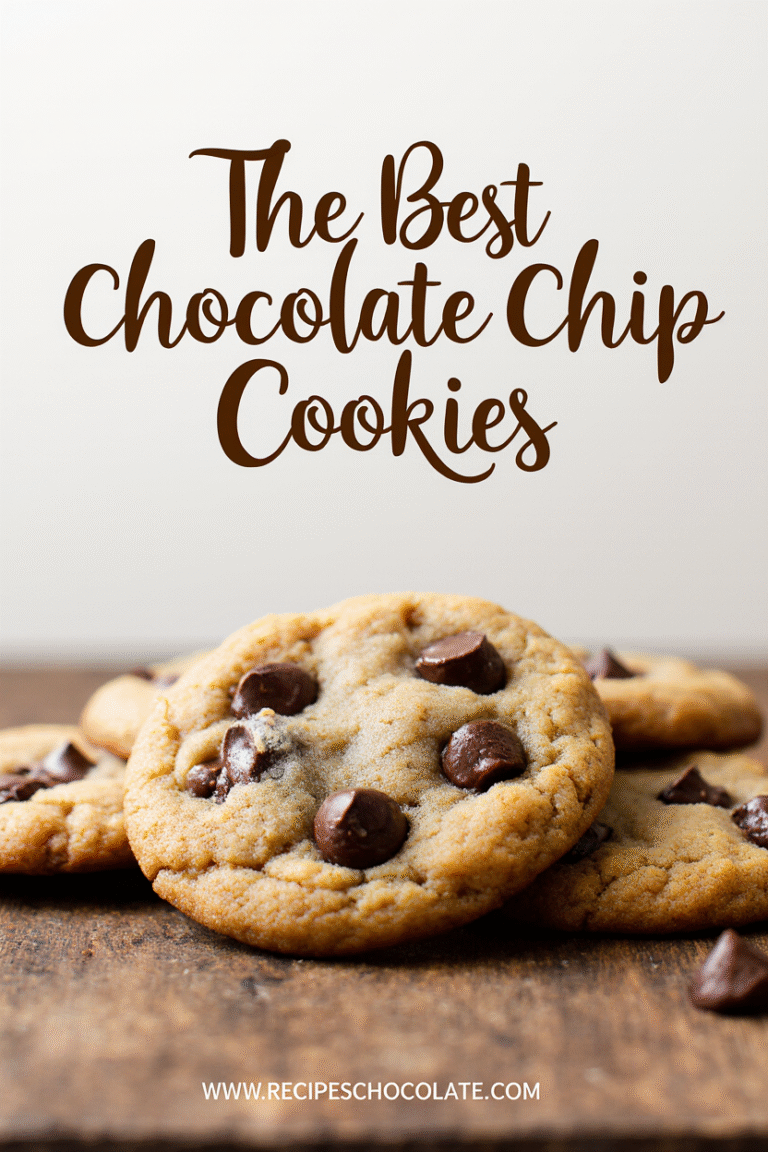
A tantalizing close-up of a freshly baked brown sugar-free chocolate chip cookie, its golden-brown surface speckled with glistening pools of melted chocolate chips. The cookie rests atop a rustic wooden surface, illuminated by soft, diffused lighting that casts gentle shadows, accentuating its delicate textures. The background is subtly blurred, allowing the cookie to take center stage and showcasing its tempting, homemade appearance. The overall mood is warm, inviting, and evocative of the comforting aroma of freshly baked treats, perfectly capturing the essence of a delectable brown sugar-free chocolate chip cookie recipe.
You can swap brown sugar with coconut sugar or light cane sugar for a tasty cookie. Both options add a rich flavor and color, just like brown sugar. They’re great for baking without using real brown sugar.
Flavor profile and texture changes to expect
Coconut sugar has a mild caramel and nutty taste, but no coconut flavor. It makes cookies darker and adds a toasted taste. The sugar’s coarse crystals can make the cookies denser.
Light cane sugar, also known as evaporated cane or sucanat, has a subtle molasses flavor. It darkens cookies like brown sugar. But, the texture can vary based on the brand.
Best conversion ratios when swapping into your recipe
Use coconut sugar 1:1 in most recipes. If the dough feels dry, blend the sugar briefly in a food processor. For a slightly lighter cookie, use 7/8 to 1 cup coconut sugar for 1 cup brown sugar.
Start with 1:1 light cane sugar. If the cookies are too dry, add a tablespoon of maple syrup or molasses per cup of sugar. This will help them stay chewy and caramel-like.
Health and labeling considerations for coconut sugar
Coconut sugar has trace minerals and might have a lower glycemic index. But, it’s still sugar and has lots of calories. It’s not a health food for those watching their sugar intake.
In the U.S., brands like Big Tree Farms, Wholesome, and Trader Joe’s process coconut sugar differently. Always check the labels for additives. For a true low sugar or sugar-free option, consider erythritol or allulose blends.
- Tip: Grind coconut sugar if you want lighter texture in a classic cookie.
- Tip: Add a small spoonful of molasses when using light cane sugar to boost chew and color.
- Tip: For baking experiments, keep notes so you refine which is the best brown sugar substitute for cookie recipes in your kitchen.
Hack: Add molasses or maple syrup to replicate depth without brown sugar
When you skip brown sugar, molasses or maple syrup can fill the flavor gap. They add moisture and sugars that brown sugar provides. Use them wisely to keep your cookies balanced and evenly baked.
Watch how much liquid you add. Molasses adds a rich, caramel taste with a hint of bitterness. Maple syrup brings a bright, sweet flavor. Both make cookies brown more because they have more sugars.
For texture, make simple swaps. For every tablespoon of molasses or maple syrup, cut down other liquids by a tablespoon or add a tablespoon of flour. If a recipe uses 1 cup of brown sugar, try 1 cup of white sugar plus 1–2 tablespoons of molasses, or 1 cup of white sugar plus 2–3 tablespoons of maple syrup. Add an extra tablespoon of flour if the dough is too sticky.
Check the dough’s feel. It should hold its shape and be slightly sticky for a chewy center. This test is key when adjusting classic recipes to your oven and pans.
Flavor pairings are important. Molasses goes well with dark chocolate chips, walnuts, pecans, and warm spices like cinnamon or ginger. Maple syrup pairs best with semisweet or milk chocolate, toasted pecans, and a pinch of flaky sea salt for brightness.
To find the best substitute, choose pure Grade A maple syrup for real maple taste. Use unsulphured molasses from a trusted brand for deep caramel flavor. These choices help you make a satisfying cookie that tastes like home, even without brown sugar.
Hack: Use alternative sweeteners for low-sugar or sugar-free cookies
You can make a low sugar chocolate chip cookie recipe that still feels close to the original by choosing the right sweetener. Pick a base that matches the texture you want and plan small tests to dial in taste and bake time.
Popular sugar substitutes and how they change texture
Erythritol gives a cooling note and can make cookies drier and crisper. Granular erythritol may recrystallize as cookies cool, so expect a slight crunch.
Monk fruit blends often combine with erythritol to mimic sugar’s bulk while reducing cooling. Texture depends on the blend’s bulking agents.
Allulose browns and caramelizes like sugar, creating softer, chewier cookies. It is a top choice when you want a low-sugar result without losing that classic chew.
Working with erythritol, monk fruit, or allulose in cookie dough
Replace sweeteners by weight, not volume, when possible. Most blends weigh less than granulated sugar, so measuring by weight keeps ratios consistent.
Allulose often works 1:1 for sugar and holds moisture differently. You may shave a little liquid or cut back on an egg yolk to avoid excess spread.
Erythritol and many monk fruit blends lack bulk. Add a tablespoon of xanthan gum or an extra egg yolk to restore structure and mouthfeel.
Taste testing and expectations for sugar-free chocolate chip cookies
Expect some differences in flavor and texture. Cooling from erythritol, muted caramel notes, or slightly different mouthfeel are common. You can blend sweeteners to balance cost, taste, and texture.
Run small-batch tests and label each trial. Try combining allulose for chew with a monk fruit blend for sweetness to get closer to classic sugar-free chocolate chip cookies.
| Sweetener | Texture Effect | Taste Notes | Substitution Tip |
| Allulose | Softer, chewier, good browning | Similar to sugar, mild caramel | 1:1 by weight; reduce liquid slightly |
| Erythritol | Drier, crisper; may recrystallize | Cooling aftertaste for some | Use with bulking agent; measure by weight |
| Monk fruit blend | Depends on bulking agent; variable | No calories; minimal cooling when blended | Check blend label; often needs bulk adjustment |
| Stevia-based blends | Can be thin or airy if not bulking | Possible aftertaste; varies by product | Use baking-specific blends and add bulk |
Classic chocolate chip cookies without brown sugar

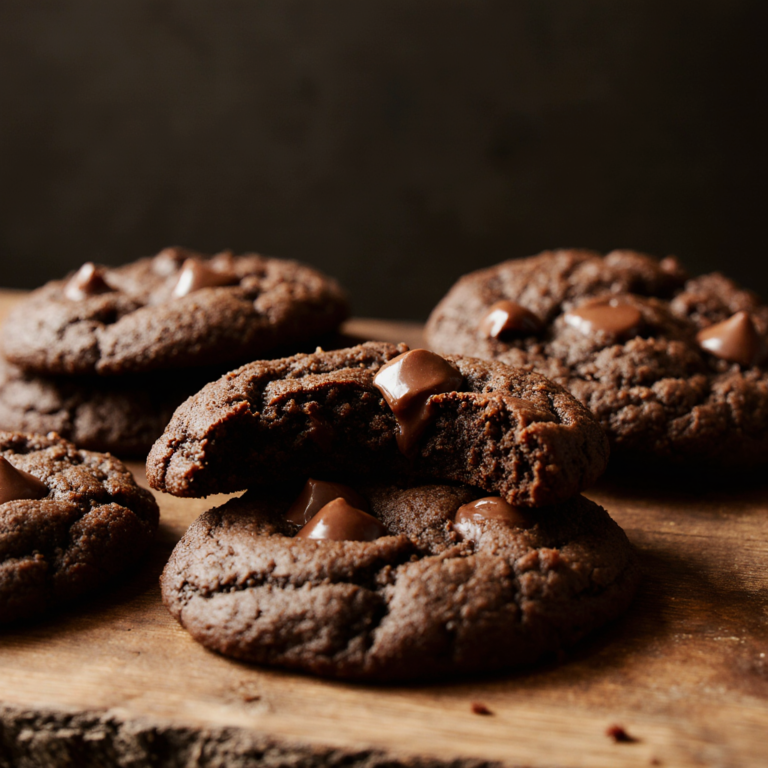
Classic chocolate chip cookies without brown sugar, fresh from the oven with a golden-brown crisp exterior and a soft, chewy interior. Arranged on a clean, white ceramic plate, the cookies shine with a glossy sheen, their generous scoops of chocolate chips glistening. Warm, inviting lighting casts a gentle glow, highlighting the cookies’ delicate texture and enticing aroma. Shot from a slightly elevated angle, the image conveys a sense of homemade comfort and indulgence, perfect for a cozy afternoon treat or a crowd-pleasing dessert.
Start with a simple blueprint to get the familiar look and chew of bakery-style cookies while using only white granulated sugar. This approach suits bakers who want classic texture without the molasses note that brown sugar adds. Below you’ll find a clear ingredient list, a dependable method, and sheet-pan tips to help you bake consistent no brown sugar chocolate chip cookies at home.
Recipe blueprint for a classic texture using white sugar
Use this base formula for reliable results: 2 1/4 cups (280g) all-purpose flour, 1 tsp baking soda, 1 tsp fine salt, 1 cup (226g) unsalted butter at room temp, 1 cup (200g) white granulated sugar, 2 large eggs, 2 tsp vanilla extract, and 1 1/2–2 cups chocolate chips.
If you want more chew without brown sugar, add one extra egg yolk or 1 tablespoon light corn syrup. Slightly underbake the cookies and let them finish setting on the hot tray for a soft center.
Ingredient list and step-by-step method for home bakers
Ingredients (U.S. measures with grams):
- 2 1/4 cups (280g) all-purpose flour
- 1 tsp baking soda
- 1 tsp fine salt
- 1 cup (226g) unsalted butter, room temperature
- 1 cup (200g) white granulated sugar
- 2 large eggs (plus optional 1 egg yolk for chew)
- 2 tsp vanilla extract
- 1 1/2–2 cups chocolate chips (240–320g)
- Optional: 1 tbsp light corn syrup or a molasses substitute
Method:
- Preheat your oven to 350°F and position a rack in the center.
- Whisk flour, baking soda, and salt in a bowl; set aside.
- Cream butter and white sugar until light and fluffy, about 3 minutes with a hand or stand mixer.
- Beat in eggs and vanilla until combined. Stir in optional egg yolk or corn syrup if using.
- Fold dry ingredients into wet just until no streaks of flour remain. Stir in chocolate chips.
- Chill dough 30 minutes for thicker cookies, if desired.
- Scoop 1.5 tablespoon dough balls and place 2 inches apart on lined baking sheets.
- Bake 9–11 minutes until edges are golden and centers are slightly soft. Cool on the sheet 5 minutes, then transfer to a wire rack.
Weighing ingredients improves repeatability and helps you bake the same easy chocolate chip cookie recipe without brown sugar every time.
Tips for achieving even baking on sheet pans
Use light-colored, heavy-duty baking sheets. Dark pans speed browning and can give uneven bottoms.
Line pans with parchment paper or silicone mats for steady heat and easy cleanup. Space cookies 2 inches apart so they spread without joining.
Rotate pans halfway through baking if your oven has hot spots. Use an oven thermometer and place racks in the middle for consistent temperatures. These steps will help you produce no brown sugar chocolate chip cookies with even color and texture across batches.
| Variable | Effect on Texture | Practical Tip |
| Extra egg yolk | Increases chew and richness without molasses | Add one yolk for slightly denser, chewier cookies |
| 1 tbsp light corn syrup | Boosts moisture and chew without brown sugar flavor | Mix into wet ingredients; reduce chilling time if used |
| White granulated sugar only | Crisper edges, lighter color, less caramel flavor | Slightly underbake and cool on sheet to maintain soft center |
| Chilling dough 30 mins | Thicker, less spread, more uniform shape | Use if you prefer taller cookies; extend chill for larger scoops |
| Light-colored pans | Even browning and controlled bottom color | Prefer heavy-gauge, light-sheet pans for best results |
Best brown sugar substitute for cookie recipes when you need that caramel note
If you’re out of brown sugar, pick a substitute that matches the flavor and texture you want. Molasses, maple syrup, or dark corn syrup can make your cookies rich. Each one changes the cookie’s moisture, spread, and chew in different ways.
Molasses gives a strong caramel and toffee taste. It makes cookies chewy and dark. Use it sparingly to avoid a bitter taste in your cookies.
Maple syrup adds a milder sweetness with a hint of wood. It makes the dough wetter, so you might need to add flour. It’s great with milk chocolate and pecans, giving a sweet and aromatic flavor.
Dark corn syrup has a gentle caramel taste and works like liquid brown sugar. It adds moisture and chewiness without a strong flavor. It’s perfect if you want texture without a new taste.
How to pick by flavor intensity:
- For the boldest caramel/toffee character, use molasses or make a mix of white sugar plus molasses.
- For a milder, more balanced sweetness, choose maple syrup or light corn syrup.
- Match the substitute to your mix-ins: molasses or dark corn syrup suits dark chocolate and nuts; maple works best with milk chocolate and pecans.
Practical substitution chart
| Original | Substitute | Ratio and Notes |
| 1 cup brown sugar | White sugar + molasses | 1 cup white sugar + 1 tbsp molasses for light, 2 tbsp for dark. Mix until even. Adds strong caramel and chew. |
| 1 cup brown sugar | White sugar + maple syrup | 1 cup white sugar + 2–3 tbsp maple syrup. Reduce other liquids by 1–2 tbsp or add 1–2 tbsp flour to firm dough. |
| 1 cup brown sugar | White sugar + dark corn syrup | 1 cup white sugar + 2 tbsp dark corn syrup. Slightly reduce other liquid. Good for chew without strong flavor. |
| 1 cup brown sugar | Coconut sugar (dry-to-dry) | 1 cup coconut sugar = 1 cup brown sugar. No added liquid. Expect darker, slightly woody flavor and drier dough. |
If the dough feels loose after adding a liquid sweetener, add a tablespoon of flour at a time until it firms. If dough seems dry, add an extra egg yolk or rest the dough 20–30 minutes to let hydration balance. These small fixes keep your chocolate chip cookie recipe without brown sugar baking reliably.
Use the guidance above to choose the best brown sugar substitute for cookie recipes based on flavor and texture goals. Test one substitution in a small batch before scaling up to match your preferred chew, spread, and caramel note.
Testing and troubleshooting brown sugar-free cookie batches
When you test no brown sugar chocolate chip cookies, small changes make big differences. Start each trial with a clear goal: crisper edge, chewier center, or less spread. Keep batches small so you can try quick tweaks without wasting ingredients.
Common problems and fixes
If cookies come out flat, chill the dough longer to firm the fat. Add 1–2 tablespoons more flour or lower oven temperature by 10–25°F. Slightly reducing sugar by volume helps too.
For dry centers, shorten bake time by 30–60 seconds. Add one extra yolk or a tablespoon of corn syrup or allulose to boost moisture. Check that you didn’t over-mix or pack the flour.
Too much spread? Refrigerate dough longer, use colder baking sheets, cut butter by 1–2 tablespoons, or increase flour a touch.
Interpreting dough consistency
Perfect scoopable dough is tacky but holds shape on the scoop. If dough slumps, chill 30–60 minutes before baking. Very stiff dough may need 1 tablespoon milk or a brief warm mix to loosen; stiff dough usually yields taller cookies.
Refrigerate at least 30 minutes to control spread and improve flavor. Overnight resting can deepen taste but you may need to let dough warm briefly for easier scooping.
Keeping notes during trials
Track flour brand and protein, sugar type and amount, butter temperature, oven thermometer reading, pan type, rack position, chill time, and final bake time and temp. Record sensory results like chewiness, color, edge crispness, and flavor intensity.
Iterate in small steps: ±1 tablespoon flour, ±1 tablespoon liquid, ±30 seconds bake time. This methodical approach speeds up troubleshooting cookie recipes and helps you land on a reliable version of no brown sugar chocolate chip cookies.
Serving, storing, and freezing homemade cookies without brown sugar
You baked a batch of cookies without brown sugar and want them to taste great tomorrow. Keeping them fresh is key, whether you like them crisp or chewy.
Best ways to store to preserve texture and flavor
Let cookies cool down before storing. For soft cookies, store them in an airtight container at room temperature for up to 4–5 days. Add a slice of white bread or an apple slice to keep them soft; replace it after 24 hours.
To keep cookies crisp, add a paper towel layer to absorb moisture. Seal the container tightly. Store them away from onions, garlic, and strong smells. Stack them in single layers or use parchment to prevent sticking.
Freezing dough vs. freezing baked cookies: pros and cons
Freezing dough lets you bake fresh cookies anytime. Scoop dough into portions, freeze until solid, then bag them. Bake from frozen, adding 1–2 minutes to the time. This method is great for portion control and texture.
Freezing baked cookies is quick and easy. Freeze them in a single layer, then pack into containers. They thaw fast and serve well. However, they might lose some crispness after thawing.
| Method | Pros | Cons |
| Freeze dough | Fresh-baked flavor; portion control; longer shelf life | Requires baking time later; needs freezer space |
| Freeze baked cookies | Immediate serving; fast prep for guests | May lose some crispness; texture can change on thaw |
| Room temp storage | Easy access; no thawing; keeps for several days | Shorter shelf life than frozen; risk of staling |
Reheating tips to revive soft or chewy textures
For crisp edges, warm cookies in a 300°F oven for 3–4 minutes. For a softer bite, microwave a single cookie with a damp paper towel for 7–10 seconds. Be careful not to make them soggy.
If you froze baked cookies, let them come to room temperature first. Then, heat them briefly to refresh their texture. Use a toaster oven or skillet for small batches to regain crispness without drying out the centers.
Following these steps helps keep your cookies fresh. Note what works best for your next batch. This way, your cookies will always meet your expectations.
Conclusion
You can make a tasty chocolate chip cookie recipe without brown sugar. First, understand sugar’s role. Then, pick one of the five easy hacks.
Use white granulated sugar and adjust the bake time. Or, try a quick molasses blend. Coconut or light cane sugar, maple or molasses, or alternative sweeteners also work. Each method offers a brown sugar-free cookie recipe.
Choose a hack that fits your pantry and taste. Then, test a small batch and note the results. Start with a classic white-sugar recipe as a base.
Adjust the bake time, egg yolk count, or chilling time to get the right chewiness or crispness. Remember each change so you can make your favorite cookie again.
Feel free to experiment: add extra yolks for chewiness, bake for less time for softness, or add molasses for caramel flavor. This way, you can create a delicious cookie recipe without brown sugar that suits your taste.
Store baked cookies in an airtight container. Freeze dough or baked portions to keep them fresh. This way, you’ll always have no brown sugar chocolate chip cookies ready.
FAQ
What can I use instead of brown sugar when making chocolate chip cookies?
You can mix white granulated sugar with molasses for a brown sugar substitute. For light brown, use 1 cup white sugar plus 1 tablespoon molasses. For dark, add 2 tablespoons of molasses. Coconut sugar or light cane sugar can also be used 1:1.Pure maple syrup is another option, but use 2–3 tablespoons and adjust other liquids or add flour. Dark corn syrup adds chewiness. For sugar-free cookies, try allulose, erythritol blends, or monk fruit blends. You might need to add bulking agents or extra egg yolk for texture.
How do white granulated sugar cookies differ from brown sugar cookies?
White sugar cookies are lighter in color and crisper. They spread more because they lack molasses. Brown sugar cookies are chewier and have a deeper flavor.If using white sugar, add an extra egg yolk or corn syrup. Lower the oven temperature to keep the cookies chewy.
Can I make a homemade brown sugar substitute and store it?
Yes, mix 1 cup granulated sugar with 1 tablespoon molasses for light brown sugar. For dark, use 2 tablespoons. Mix well and store in an airtight container.If it dries out, rehydrate it with apple or bread. Or add a bit more molasses and mix.
What adjustments do liquid sweeteners like maple syrup or molasses require?
Liquid sweeteners add moisture and increase spread. For each tablespoon, reduce another liquid by 1 tablespoon or add 1 tablespoon flour. For 1 cup brown sugar, use 1 cup white sugar plus 1–2 tablespoons molasses or 2–3 tablespoons maple syrup.Remember to add 1 tablespoon flour if the dough is sticky. It should hold shape but still be slightly tacky.
Which alternative sweetener gives the most “sugar-like” texture for low-sugar cookies?
Allulose is the closest to sugar. It browns and retains moisture, making cookies chewier. Monk fruit and erythritol can work too, but may need adjustments.Erythritol can make cookies drier and may have a cooling taste. For best results, use allulose for texture and a noncaloric sweetener for cost control.
How do I tweak bake time and temperature when using white sugar to avoid overly crisp cookies?
Lower the oven temperature by 10–25°F and bake a bit longer. For example, bake at 350°F for 10–12 minutes instead of 375°F for 9–11 minutes. Underbake by 30–60 seconds for chewiness.Use an oven thermometer and light-colored sheet pans for consistent results.
Will coconut sugar work as a one-to-one brown sugar replacement?
Yes, coconut sugar can be used 1:1 for brown sugar. It adds a caramel-like flavor and darker color. Its coarser crystals may affect spread; pulse in a food processor if needed.Remember, coconut sugar is still caloric and not sugar-free.
Why are my brown sugar-free cookies spreading too much or turning out flat?
Cookies spread too much due to warm dough, too little flour, or too much sugar. To fix it, chill the dough 30–60 minutes. Use cooler/shorter creaming, add 1–2 tablespoons more flour, or reduce butter by 1–2 tablespoons.Lower the oven temperature by 10–25°F. Using a heavier flour or chilling on a baking sheet also helps.
How can I get chewiness back when I remove brown sugar from a cookie recipe?
Add an extra egg yolk or 1 tablespoon light corn syrup or molasses substitute. Slightly underbake the cookies. Use a small amount of allulose to retain moisture.Try using bread flour for chewiness. Refrigerate the dough overnight to develop flavors and stabilize the structure.
Should I weigh ingredients when testing brown sugar-free recipes?
Yes. Weighing flour, sugar, and mix-ins improves repeatability. It helps fine-tune small adjustments like adding flour or liquid sweetener.Track butter temperature, dough chill time, oven thermometer readings, pan type, and bake time. This will help you refine your method and achieve your preferred texture.
Can I freeze dough or baked cookies, and does using no brown sugar change storage rules?
Both options work well. Scoop dough, freeze on a tray until solid, then store in freezer bags. Bake from frozen, adding 1–2 minutes to bake time.Baked cookies freeze in single layers and thaw at room temperature. Without brown sugar, cookies may dry faster. Store cooled cookies in an airtight container with a slice of bread or apple to retain softness.
What is the best brown sugar substitute if I want the strongest caramel note?
Molasses provides the most intense caramel and toffee flavor. It also adds chewiness. Dark corn syrup is milder and adds moisture without a strong flavor.Maple syrup offers a woodsy sweetness that pairs well with milk chocolate and nuts.
Did You Try Our Recipe ?
There are no reviews yet. Be the first one to write one.